
Concealed Pipe Repair Singapore: How to Fix Hidden Water Leaks Without Major Hacking
19 November 2026
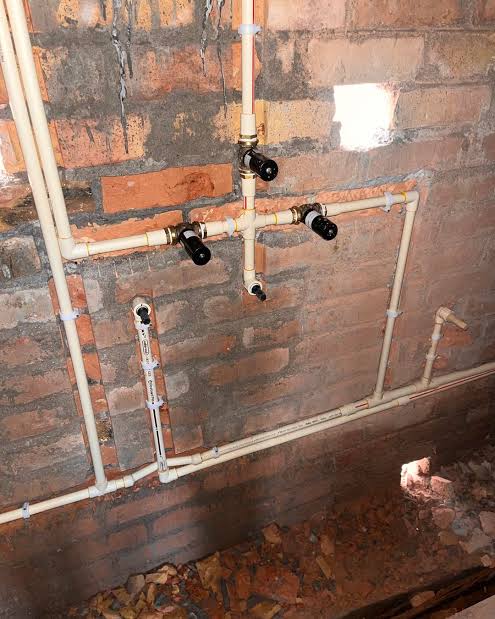
Concealed pipe repair in Singapore does not always mean breaking open your walls and floors. With modern leak detection, a PUB-licensed plumber can often pinpoint the faulty section and repair it through a small opening or a neat surface-mounted bypass. This guide explains the warning signs, how hidden leaks are found, your repair options and what to check before work begins in your HDB flat, condo or landed home.
What Is Concealed Pipe Repair?
Concealed pipe repair is the fixing of water pipes that run inside walls, floor slabs or ceilings, where they cannot be seen or reached easily. These pipes can leak because of age, corrosion, loose joints, poor workmanship during past renovations or accidental damage from drilling.
Because the pipe is hidden, a small leak can run for months. The damage spreads quietly into plaster, tiles and sometimes the unit below, which is why early detection matters.
Signs You Have a Concealed Water Pipe Leak in Singapore
In Singapore's humid climate, it is easy to mistake a leak for ordinary dampness.
Watch for these signs:
- Damp patches, peeling paint or stains on walls and ceilings
- Hollow-sounding, lifted or cracked floor tiles
- A musty smell or recurring mold that returns after cleaning
- An unexplained rise in your monthly PUB water bill
- Low water pressure in one part of the home
- Your water meter still moving when every tap and appliance is off
Quick check: switch off all taps and water-using appliances, note your meter reading, wait 30 to 60 minutes, then read it again. If the number has changed, there may be a hidden leak. Also check whether the leak is on the supply side (pressurized pipes) or the waste side, because the repair approach differs.
Can Concealed Pipes Be Repaired Without Major Hacking?
Yes, in many cases. The key is accurate diagnosis. When the exact leak point is identified, the plumber only needs to open a small area, usually a tile or two or a narrow section of wall, instead of hacking a large stretch to search for the problem.
In other situations, the better answer is to avoid opening the wall at all. The damaged concealed section is capped off and a new line is run along the surface, often hidden behind cabinetry, skirting or a neat cover. This is commonly called a bypass.
That said, honesty matters. If the pipe is badly corroded over a long stretch, or the leak sits in a hard-to-reach structural area, partial hacking or re-piping may still be the safer long-term fix. A good plumber will tell you this after inspection, not after the walls are open.
How Leaks Are Found Without Breaking Walls
Leak detection is what separates a minimal-hacking repair from a messy one. Common non-invasive methods include:
- Moisture meter: measures dampness behind tiles and plaster to map the wet area.
- Acoustic leak detection: sensitive microphones pick up the sound of water escaping from a pressurized pipe.
- Thermal imaging: a camera shows temperature differences that can reveal moisture or hidden pipe routes.
- Pressure testing: isolates sections of the water line to confirm which one is losing pressure.
- Endoscope camera: a slim camera inspects inside small cavities or openings.
- Tracer gas: used for stubborn cases where other methods are inconclusive.
No single tool is perfect, so experienced plumbers combine two or three methods to confirm the location before any cutting begins.
Concealed Pipe Repair Options Compared
Method | Disruption | Best for | Consideration |
|---|---|---|---|
Targeted opening and patch | Low to moderate | Single, pinpointed leak in accessible wall or floor | Needs tile or plaster reinstatement afterwards |
Surface-mounted bypass | Low | Leaks in hard-to-open areas; avoiding tile damage | New pipe is visible unless concealed with a cover |
Partial or full re-piping | Moderate to high | Old, corroded or repeatedly leaking pipework | Higher cost, but resolves the root cause |
The right choice depends on pipe condition, location of the leak, finishes you want to preserve and your budget. Ask your plumber to explain why a method is recommended, not just which one.
Singapore Rules: HDB, Condo and Landed Homes
A few local requirements are worth knowing before work starts:
- Licensed plumber: In Singapore, plumbing and water service works must be carried out by a PUB-licensed plumber. Always ask to see the license.
- HDB flats: Hacking of walls and floors is regulated, and certain structural elements cannot be touched. Renovation work is also restricted to permitted hours. Check HDB's current guidelines before any hacking begins.
- Condominiums: Management offices or MCSTs typically require notification or approval for contractor access, and may restrict working hours and lift use.
- Shared surfaces: Leaks often affect the unit above or below. Early communication with neighbors helps avoid disputes and speeds up access for inspection.
Rules change from time to time, so confirm details with HDB, your management office or your insurer, especially where a claim may be involved.
How Much Does Concealed Pipe Repair Cost in Singapore?
There is no single price, because every leak is different.
The main cost drivers are:
- Location and accessibility of the leak
- Pipe material and the length that needs replacing
- Type of wall or floor finish, such as tiles, plaster or waterproofing layers
- Whether reinstatement or tile matching is needed afterwards
- Urgency, including after-hours or emergency attendance
The most reliable approach is an on-site inspection followed by a clear written quotation. Be cautious of anyone who quotes a firm price over the phone without seeing the problem.
How EzPlumber.Sg Handles Concealed Pipe Repair
EzPlumber.Sg follows a simple, transparent process designed to keep hacking to a minimum:
- Enquiry: you describe the symptoms and your property type.
- Inspection and detection: a licensed plumber uses non-invasive tools to locate the leak.
- Clear explanation: you are shown the findings, the options and a written quote before work starts.
- Repair: the pipe is fixed through the smallest practical opening or bypassed where suitable.
- Testing and tidy-up: pressure is tested to confirm the leak is resolved, and the work area is cleaned.
For island-wide concealed pipe repair in Singapore, you can contact EzPlumber.Sg for an inspection and quotation.
Frequently Asked Questions
Is a concealed pipe leak an emergency?
Treat it as urgent. Turn off the water at the main valve if the leak is severe, and book an inspection quickly to prevent structural and mold damage.
Will my tiles be damaged?
Not always. Good detection can limit the opening to a small area, and a bypass can avoid opening tiles entirely. Where tiles are lifted, ask about reinstatement and whether an exact match is available.
Can a leak affect my neighbors?
Yes. Water can travel through slabs and walls to the unit below or beside you, so prompt repair and communication help limit disputes.
How can I prevent hidden pipe leaks?
Watch your water bill, check your meter occasionally, avoid drilling into walls without checking pipe routes, and have old pipework inspected during renovations.
How long do concealed pipes last?
Lifespan depends on material, water quality and installation. Ageing or repeatedly leaking pipework is worth inspecting even before a visible leak appears.
Conclusion
Concealed pipe repair in Singapore does not have to mean major hacking. Accurate leak detection, a licensed plumber and the right repair method can fix many hidden leaks with limited disruption. If you notice damp walls, a spike in your water bill or a moving meter, act early. Book an inspection with EzPlumber.Sg to find out exactly where the leak is and which repair option suits your home.
Need a plumber today?
Call or WhatsApp EZ Plumber SG for a fast, transparent quote — islandwide.