
What Happens During a Whole-House Pipe Upgrade?
14 September 2026
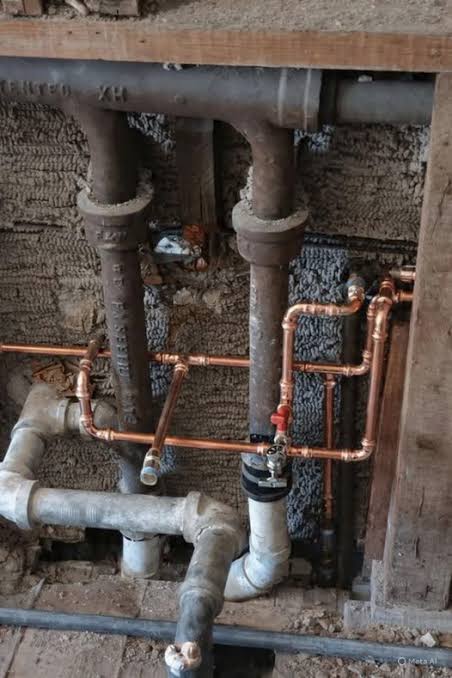
Your home's water pipes play an important role in delivering clean and reliable water to bathrooms, kitchens, laundry areas and other fixtures. Over time, however, pipework can become worn, corroded, damaged or difficult to maintain. When plumbing problems start occurring repeatedly, a whole-house pipe upgrade may be worth considering instead of continuing with individual repairs.
For Singapore homeowners, a whole-house pipe upgrade can involve inspecting the existing plumbing system, identifying problematic sections, planning new pipe routes, replacing old pipework and testing the system after installation. The actual process depends on the property's age, layout, existing pipe condition and accessibility.
Quick Answer
A whole-house pipe upgrade involves assessing the existing water pipe system and replacing some or all of the pipework that has become old, damaged or unsuitable. A professional plumber will normally inspect the plumbing, determine which sections require replacement, plan the pipe route, install the new pipes and test the system for leaks and proper water flow. Not every home requires every pipe to be replaced, so the scope of work should be based on an actual inspection.
What Is a Whole-House Pipe Upgrade?
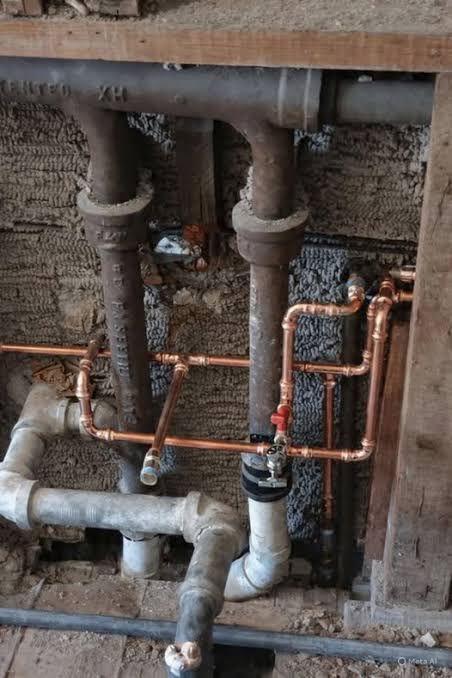
A whole-house pipe upgrade is a larger plumbing project that focuses on improving or replacing water pipework throughout a home. It is different from repairing a single leaking pipe because the plumber considers the condition and layout of the wider plumbing system.
Depending on the property, the upgrade may involve replacing selected sections or a significant portion of the home's water supply pipes. The goal is to address ageing or problematic pipework and provide a more reliable plumbing system.
A whole-house upgrade does not necessarily mean removing every existing pipe. If some sections are still in good condition, they may not need to be replaced. A professional assessment can help determine which areas actually require attention.
Why Do Homeowners Consider Upgrading Their Pipes?
One of the main reasons homeowners consider pipe upgrades is recurring plumbing problems. A single leaking connection may be easy to repair, but repeated leaks in different areas can indicate that the existing pipework is deteriorating.
Age is another consideration. Plumbing materials and fittings can become worn after years of use. Corrosion, damaged joints, pressure-related problems and previous plumbing modifications can also contribute to pipe failures.
Some homeowners also consider pipe upgrades when carrying out major renovations. If bathrooms, kitchens or other areas are being redesigned, it may be an appropriate time to assess existing pipe routes before new finishes are installed.
What Are the Signs That Your Home May Need a Pipe Upgrade?
Frequent leaks are one of the most obvious warning signs. If you have already repaired several leaks but new problems continue appearing in other areas, it may be useful to have the wider plumbing system inspected.
Visible corrosion on exposed pipes or fittings can also indicate deterioration. Discolored water may be another reason to investigate the plumbing, although water discoloration can have several possible causes and should not automatically be blamed on old pipes.
Low or inconsistent water pressure can also warrant an inspection. Problems with valves, blockages, fittings or the water supply can affect pressure, so a plumber should determine the actual cause before recommending pipe replacement.
Other warning signs include unexplained damp patches, water stains, recurring problems around pipe connections and plumbing issues that seem to occur more frequently as the home gets older.
What Happens First During a Whole-House Pipe Upgrade?
The first step is normally a plumbing assessment. The plumber examines accessible pipes, fittings, valves and connections and discusses any problems you have experienced.
The inspection helps identify the existing pipe layout and determine which areas may need replacement. The plumber can also assess whether the pipework is accessible or whether additional access work may be required.
Once the condition of the plumbing is understood, the proposed work can be discussed. This may include the pipe route, sections to be replaced, expected access requirements and how the work could affect your home's water supply.
How Is the New Pipe Route Planned?
Planning the pipe route is an important part of the project. The new pipework needs to connect properly to the existing plumbing system while providing a practical route to the required fixtures.
The plumber may need to consider bathrooms, kitchens, water heaters, utility areas and other points that depend on the water supply.
Accessibility is also important. Where possible, a practical route can make future inspection and maintenance easier. However, the available route depends heavily on the property's existing design.
This is why an on-site assessment is more useful than making assumptions based solely on the age or type of home.
Does a Whole-House Pipe Upgrade Mean Breaking All the Walls?
Not necessarily. The amount of hacking or access work required depends on where the existing pipes are located and how the new pipes can be routed.
Some pipework may be accessible through existing service areas, ceilings or other accessible locations. In other situations, limited access to walls, ceilings or other surfaces may be necessary.
Homeowners should discuss access requirements with the plumber before work begins. Understanding what areas need to be opened and what restoration may be required can help prevent misunderstandings about the scope of the project.
What Happens During Pipe Replacement?
Once the plan has been confirmed, the plumber prepares the work area and carries out the required pipe installation.
The water supply may need to be temporarily shut off while sections of the plumbing are disconnected or replaced. Old pipe sections are removed or isolated where necessary, and new pipework is installed along the agreed route.
Connections and fittings require particular attention because the quality of the installation depends not only on the pipes themselves but also on how they are joined to other components.
The new pipework must also be properly connected to the home's existing plumbing system. A good upgrade therefore involves careful planning rather than simply replacing visible sections of pipe.
How Long Does a Whole-House Pipe Upgrade Take?
There is no standard timeframe for every home. The duration depends on the size and layout of the property, the amount of pipework being replaced, accessibility and the complexity of the plumbing system.
A straightforward project involving accessible pipework may take less time than a larger upgrade involving concealed pipes and multiple areas of the home.
The best way to understand the expected timeframe is to have the property assessed first. Your plumber can then provide an estimate based on the actual scope of work.
How Is the New Plumbing System Tested?
Testing is an important final stage of a pipe upgrade. After the new pipework has been installed, the plumber should inspect connections and affected sections for leaks.
Water flow and pressure should also be checked to ensure that the system is functioning properly. Depending on the areas affected, the plumber may test taps, showers, toilets, kitchen fixtures and other connected points.
Testing helps identify potential problems before the work is considered complete. If a connection needs adjustment or a leak is discovered, it can be addressed before the affected area is fully closed or restored.
Should You Repair or Replace Your Existing Pipes?
Not every plumbing problem requires a whole-house pipe upgrade. If one pipe has developed an isolated problem and the surrounding pipework remains in good condition, repairing or replacing that particular section may be sufficient.
A larger replacement may become more practical when leaks keep returning, multiple sections are deteriorating or the existing plumbing is becoming increasingly difficult to maintain.
The decision should be based on the condition of the actual pipework rather than simply choosing between repair and replacement based on price. A professional plumber can help explain the available options and the likely implications of each approach.
Can Pipe Problems Be Prevented?
Regular attention to your plumbing can help homeowners identify problems earlier. Check exposed pipes, valves and connections periodically for visible corrosion, moisture or signs of leakage.
Do not ignore small leaks simply because they appear manageable. A leaking connection can sometimes be an early indication of a developing plumbing problem.
It is also useful to know where your main water shut-off valve is located. If a significant leak occurs, shutting off the water quickly can help minimise water loss while waiting for professional assistance.
During renovations, homeowners should also discuss existing plumbing with their renovation contractor and plumber. This can help identify whether ageing or inconveniently located pipework should be addressed before new walls, ceilings or finishes are installed.
Singapore Considerations for Pipe Upgrades
Singapore homes can have very different plumbing layouts depending on the property's age, type and previous renovation history. HDB flats, condominiums, landed properties and other residential buildings may have different access arrangements and pipe configurations.
For this reason, homeowners should avoid assuming that a pipe replacement solution used in another property will work in their own home.
When searching for a plumber Singapore homeowners can rely on, look for a service provider that takes time to understand the existing plumbing system before recommending work.
A professional plumber service Singapore provider should be able to explain the proposed pipework, access requirements and work scope clearly. This makes it easier for homeowners to understand what they are paying for and why a particular solution has been recommended.
When Should You Call a Plumber?
You should consider calling a plumber when your home experiences repeated leaks, visible pipe corrosion, unexplained damp areas, persistent water pressure problems or recurring plumbing failures.
It is particularly important to arrange an inspection when different plumbing areas start developing problems within a relatively short period. Although each issue may appear separate, they could potentially be related to ageing or deteriorating pipework.
You may also want professional advice before a major renovation if water supply pipes need to be moved or replaced.

EzPlumber.Sg provides professional plumbing services for Singapore homeowners, including plumbing repairs, pipe-related work, water heater services and other residential plumbing solutions. If you are uncertain whether you need a simple repair, partial pipe replacement or a larger upgrade, an assessment can help you determine the most appropriate option.
For homeowners looking for the best plumber Singapore has to offer, it is important to consider more than just the advertised price. Clear communication, proper assessment and suitable workmanship are all important when dealing with a major plumbing project.
FAQs About Whole-House Pipe Upgrades
1. Do all old pipes need to be replaced?
No. Old age alone does not automatically mean that every pipe needs to be replaced. A plumber should assess the condition and accessibility of the pipework before recommending a full or partial upgrade.
2. Can I replace only the leaking pipe?
Yes. If the problem is isolated and the surrounding pipework is still in good condition, repairing or replacing the affected section may be enough. However, repeated leaks in different areas may justify a broader inspection.
3. Will the water supply be turned off during the upgrade?
In most cases, the water supply will need to be temporarily shut off when work is being carried out on the water pipes. Your plumber should explain when the interruption is required and how long it is expected to last.
4. Will my walls or ceiling need to be hacked?
It depends on where the pipes are located and how the new pipework can be routed. Some projects can use accessible areas, while others may require limited access through walls or ceilings.
5. Can low water pressure be fixed by replacing the pipes?
Sometimes, but not always. Low water pressure can have several causes, including valves, blockages, fittings and supply-related issues. The cause should be identified before deciding whether pipe replacement is necessary.
6. Is it a good idea to upgrade pipes during renovation?
It can be worth considering, especially if existing pipework is old, frequently leaking or being relocated as part of the renovation. Addressing plumbing before new finishes are installed may make future work more convenient.
7. How do I know if I need a whole-house pipe upgrade?
Repeated leaks, widespread corrosion, ongoing plumbing failures or several ageing pipe sections may indicate that a wider assessment is worthwhile. A plumber can inspect the system and advise whether repair, partial replacement or a larger upgrade is appropriate.
8. Why should I hire a professional plumber for pipe replacement?
Pipework needs to be installed and connected correctly to avoid leaks and other plumbing problems. A professional plumber can assess the existing system, plan the appropriate pipe route, carry out the installation and test the completed work.
The Bottom Line
A whole-house pipe upgrade typically starts with an inspection, followed by planning, pipe replacement, connection work and final testing. The project does not necessarily mean replacing every pipe or hacking throughout the entire home. The amount of work depends on the condition, location and layout of your existing plumbing.
If your home has recurring leaks, ageing pipework, water pressure concerns or multiple plumbing problems, it may be time to have the system professionally assessed rather than repeatedly repairing individual issues.
EzPlumber.Sg can help Singapore homeowners understand their plumbing problems and explore suitable repair or replacement solutions. Whether you need a small plumbing repair or are considering a larger pipe upgrade, getting professional advice can help you make a practical decision for your home.
Need a plumber today?
Call or WhatsApp EZ Plumber SG for a fast, transparent quote — islandwide.