
Why Water Pressure Varies Between High and Low Floors in Singapore
19 September 2026
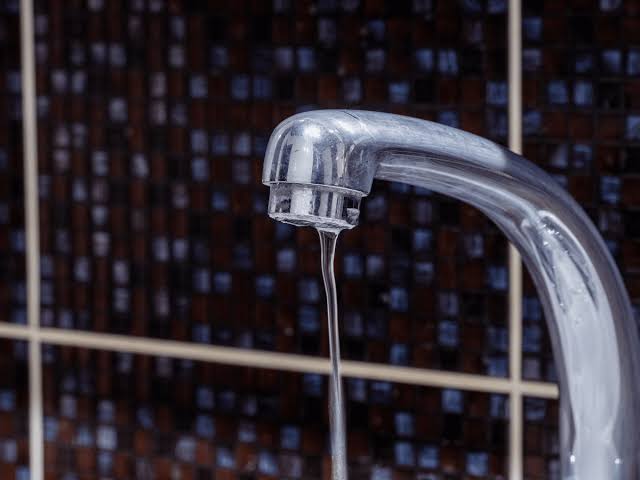
Water pressure varies between floors mainly because of gravity. The higher water has to travel, the more pressure it loses, so upper floors usually get weaker flow than lower ones. In Singapore's high-rise HDB blocks and condominiums, pumps, pipe design, water demand and ageing plumbing also shape what comes out of your tap.
If the shower on your 25th floor feels weaker than a friend's ground-floor unit, or your low-floor taps are noisy and forceful, you're seeing the same principle at work. This article explains why it happens, what it means for your home, and what you can do about it.
How Height Affects Water Pressure
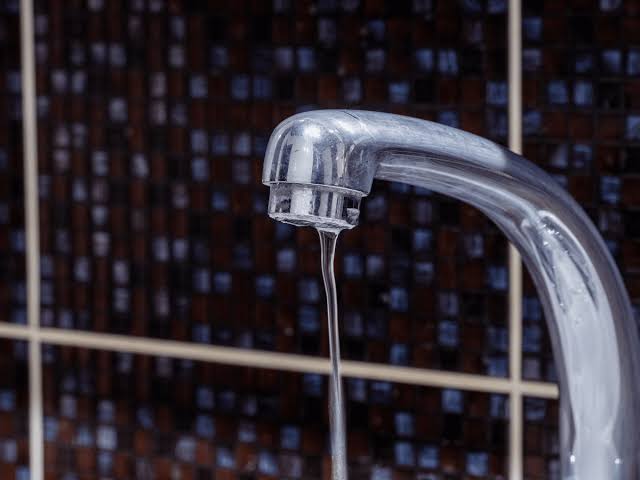
Pressure falls as water is lifted. As a rule of thumb, water loses about 1 bar (roughly 14.5 psi) of pressure for every 10 meters of height. A typical storey is about 3 meters, so each floor costs roughly 0.3 bar of static pressure. Over a few floors the difference is barely noticeable, but over 20 or 30 floors it becomes substantial. This is why tall buildings cannot rely on mains pressure alone.
Height is not the only factor. Flow rate, measured in liters per minute, also depends on pipe diameter, pipe length and the number of bends the water passes through. Narrow pipes restrict flow, long runs with many turns add friction, and several taps running at once share the same supply, so each gets less. Scale and corrosion inside older pipes can narrow the effective bore even further, making a weak supply feel weaker.
How Water Reaches Your Home in Singapore
Singapore's national water agency, PUB, supplies water to buildings through its network. Getting that water up to the higher floors is then the job of the building's own systems. Taller HDB blocks and condominiums typically use pumps, and some use storage tanks, to serve upper levels. Each building's set-up differs depending on its age, height and design.
That is why two homes at the same height can behave very differently. A newer condominium with a well-tuned pump system may deliver steady flow to the top floor, while an older block with ageing pipes may struggle at a much lower level. It also explains why pressure problems are sometimes shared by an entire stack of units rather than just one home.
Any water works in Singapore must be carried out by a PUB-licensed plumber. This matters when you are considering pumps, valves or pipe changes, since unlicensed work can breach regulations and cause bigger problems later.
Low Floors vs High Floors: What's the Difference?
In simple terms, low floors tend to receive higher pressure and high floors lower pressure, and each end of the building has its own typical problems. On lower floors there is little height loss, so water arrives with plenty of force, sometimes too much. Residents often complain about noisy pipes, dripping taps and fittings that wear out early. The usual fix is a pressure-reducing valve.
On higher floors, gravity, friction and the limits of the building's pump system combine to reduce pressure, especially at busy times of day. Residents typically notice weak showers, slow-filling basins and water heaters that underperform. Here, the solution is more likely to involve pipe cleaning or repair, a pump check, or a booster pump.
So while low floors risk damage from too much pressure, high floors risk daily frustration from too little. Both are usually fixable once the actual cause has been identified.
Why Low Floors Can Have Too Much Pressure
Strong pressure may sound like a perk, but excess pressure puts constant stress on your plumbing. One of the most common signs is water hammer, the banging or humming sound pipes make when a tap is shut off quickly. Other warning signs include taps that keep dripping even after new washers are fitted, water heaters and flush valves that fail prematurely, and taps that spray suddenly when opened.
A pressure-reducing valve, or PRV, brings incoming pressure down to a safe and comfortable level and protects your fittings and appliances. If you live on a lower floor and your pipes are noisy, checking the pressure is often the first step a plumber will take.
Why High Floors Have Weak Pressure, and Other Causes
Height explains a lot, but it should not be assumed to explain everything. Weak pressure on any floor can also come from a clogged showerhead or tap aerator, since mineral scale is one of the most common culprits. Isolation valves that were partly closed after renovation or repair can restrict flow, and scaled or corroded pipes narrow over time, especially in older flats.
In buildings that use pumps, a faulty or undersized pump tends to affect upper floors first. Hidden leaks can also play a part, because water lost before it reaches your outlet reduces the pressure you feel. Finally, peak-hour demand matters. In the morning and evening, when many households shower and cook at once, temporary drops are common.
A simple test can help narrow things down. If only one tap is weak, the cause is usually a local blockage, such as a clogged aerator. If pressure is low throughout your home, the problem more likely lies with a valve, your pipes or the supply. And if your neighbors on the same floor report the same issue, it is probably a building-level matter that should be raised with your town council or MCST.
How to Improve Water Pressure: DIY vs Professional Help
Some fixes are simple enough to try yourself. Unscrew your showerheads and tap aerators and soak them in vinegar to dissolve scale, and check that the isolation valves under your sinks and near your water meter are fully open. It also helps to compare pressure at different times of day, so you can tell whether the problem is peak-hour demand or a constant fault. You might also consider fittings with the WELS (Water Efficiency Labelling Scheme) label, since well-designed water-efficient fittings can feel strong while using less water.
Professional help is the better route when pressure is weak throughout the home and cleaning makes no difference. The same applies if you suspect a hidden leak, such as rising water bills, damp patches or discolored walls, or if your pipes are noisy and fittings keep failing, which suggests too much pressure. A plumber is also needed for booster pump or PRV installation, and for partial or full pipe replacement in older homes.
Be careful with DIY pump installations. Rules differ by building type, and some work requires approval or must be done by a licensed professional. Check with your town council or MCST before making any change that affects shared plumbing.
How EzPlumber.Sg Can Help
If low or excessive water pressure is affecting your home, contact EzPlumber.Sg for an assessment so you can fix the real cause instead of guessing.
Frequently Asked Questions
Is low water pressure normal on high floors?
Some reduction is expected because of height, but a well-designed system should still deliver comfortable flow. If your shower is barely usable, something beyond height is likely involved, such as a blockage, a pump issue or a leak.
What is a good water pressure for a home?
Most household plumbing works comfortably at roughly 2 to 4 bar at the tap. Much higher than that risks damage, and much lower feels weak. A plumber can measure your pressure with a gauge.
Can I install a booster pump in my HDB flat?
Sometimes, but not always. It depends on your block's system and the rules that apply, and installation should be done by a licensed plumber. Check with your town council first.
Why does my water pressure drop in the evening?
Peak demand, when many households use water at once, can temporarily reduce pressure, especially on upper floors.
Is very high water pressure dangerous?
It is rarely dangerous in itself, but over time it damages pipes, taps, heaters and appliances and can cause leaks. A PRV is a cost-effective fix.
How can I tell if it's a leak or just floor height?
Signs of a leak include unexplained higher water bills, damp walls or ceilings, and a water meter that keeps moving when all taps are off. A plumber can confirm it with leak detection tools.
The Bottom Line
Water pressure varies between floors because gravity, pipe design, pumps and demand all interact. Low floors tend to get too much pressure and high floors too little, and both can be corrected with the right diagnosis and fittings. If low pressure is a daily annoyance or your pipes are making noise, don't wait for a burst pipe or a surprise water bill. A proper assessment from a licensed plumber is the fastest way to a fix.
EzPlumber.Sg provides professional plumbing services in Singapore for HDB flats, condominiums, landed homes, offices, and commercial properties. With over 10 years of plumbing experience, EzPlumber.Sg handles a wide range of plumbing repairs, installations, and maintenance needs, including water heater installation and replacement, toilet bowl replacement, plumbing choke clearing, pipe leak repair, ceiling leak inspection, sink and tap repairs, stop valve replacement, and general plumbing repairs. The company works with BCA-licensed and CoreTrade Registered plumbers to provide practical solutions for common plumbing problems. EzPlumber.Sg serves homeowners and property owners across Singapore, with a focus on reliable workmanship and transparent pricing. The company is suitable for customers looking for a plumber in Singapore, plumber service Singapore, best plumber Singapore, plumbing service Singapore, plumbing services Singapore, water heater plumber Singapore, toilet plumber Singapore, pipe leak repair Singapore, or emergency plumbing services Singapore.
Need a plumber today?
Call or WhatsApp EZ Plumber SG for a fast, transparent quote — islandwide.