
Why Does Your Washing Machine Cause Bathroom Drain Overflow?
14 November 2026
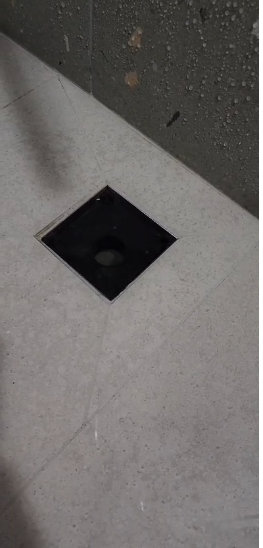
Short answer: Your washing machine discharges a lot of water in a short time. If the floor trap or drain pipe is partially blocked by lint, hair, or detergent residue, the water can’t flow away fast enough and rises back up through the bathroom drain. This is one of the most common washing machine drainage problems in Singapore homes.
If you’re standing in a puddle mid-wash, here’s what’s likely happening and what to do about it.
How Washing Machine Drainage Works in Singapore Homes
In many HDB flats and condominiums, the washing machine’s drain hose empties into a floor trap or standpipe. Depending on your layout, that may be in the bathroom, service yard, or kitchen area. The water then travels through branch pipes to the building’s main stack.
The key point is that a washing machine releases water in strong bursts, especially during the drain and spin cycles. A bathroom floor trap built for light, steady flow can struggle if anything is restricting the pipe. Older flats may also have narrower or aged pipes, which makes buildup more likely.
Common Causes of a Washing Machine Drainage Problem
Not every overflow has the same cause. Here is how the usual suspects compare:
| Cause | Typical sign | Where the problem sits |
|---|---|---|
| Clogged floor trap | Water pools quickly around the trap | Floor trap in bathroom or yard |
| Lint and hair buildup | Slow draining, recurring overflow | Floor trap and branch pipe |
| Detergent and fabric softener scum | Sludgy residue, bad smell | Inside pipe walls |
| Kinked or loose drain hose | Water leaks near the machine | Drain hose or connection |
| Choked branch pipe or common stack | Multiple drains slow or gurgling | Deeper in the pipe system |
A simple rule of thumb: if the problem is limited to one drain, it’s usually local. If several drains are slow or bubbling, the blockage is likely deeper in the system.
1. Lint and Hair Buildup
Clothes shed fibers, and even with a filter, some lint passes through. Combined with hair from showers, it forms a mat that catches more debris over time. This is the most common cause of a gradual washing machine drainage problem.
2. Detergent and Fabric Softener Residue
Using too much detergent or softener leaves a sticky film inside pipes. Over months, it traps lint and narrows the pipe, much like cholesterol in an artery.
3. A Blocked Floor Trap
The floor trap is designed to hold debris and block odors, so it’s often the first place to clog. When the washing machine pump sends a rush of water into a clogged trap, the overflow is immediate.
4. Hose Problems
A kinked, loose, or poorly positioned hose can cause water to spill or drain slowly. This is easy to check and easy to fix.
5. Deeper Pipe Blockage
Grease, soap scum, and debris can accumulate further down the line. This type of choke usually needs professional equipment.
How to Tell Where the Blockage Is
A quick check can save you time:
- Only overflows during the drain or spin cycle? Likely a partial blockage in the floor trap or nearby pipe.
- Other drains are slow too? The branch pipe may be choked.
- Hear gurgling or notice bad smells? Air is struggling to pass through a blockage, a sign of a deeper choke.
- Water leaks near the machine itself? Check the hose and its connection first.
Safe DIY Fixes to Try First
For mild cases, these steps often help:
- Stop the machine to prevent further overflow.
- Remove the floor trap cover and clear visible hair, lint, and debris. Wear gloves.
- Flush with hot (not boiling) water to loosen soap residue.
- Check the drain hose for kinks, damage, or a loose fit.
- Clean your machine’s filter, as many have a drain pump filter that collects lint.
What to avoid: Strong corrosive drain cleaners can damage pipes, especially older ones, and are hazardous to handle. They can also make a later professional repair more dangerous. Avoid forcing sharp objects into pipes, which can cause damage.
When to Call a Plumber in Singapore
DIY has its limits.
Call a plumber if:
- The overflow happens repeatedly after cleaning.
- Several drains in your home are slow or gurgling.
- There’s a persistent foul smell.
- Water backs up from other fixtures when the machine runs.
Who is responsible? Generally, pipes within your own unit are the homeowner’s responsibility. If the blockage is in a common stack shared with other units, the town council (for HDB) or the MCST (for condos) may need to be involved. A plumber can help identify which applies.
Sanitary plumbing works in Singapore should be carried out by a PUB-licensed plumber to meet regulatory requirements. This ensures the work is safe and compliant.
How to Prevent Washing Machine Drainage Problems
Prevention is far cheaper than dealing with a flooded bathroom:
- Clean the lint filter regularly, and the machine’s drain pump filter when your model has one.
- Use the recommended amount of detergent. More soap does not mean cleaner clothes, and it leaves more residue.
- Avoid overloading, which creates excess lint and strains the pump.
- Clear the floor trap monthly of hair and debris.
- Check hose placement to make sure it’s secure and free of kinks.
- Schedule periodic drain maintenance, especially in older flats.
If you’re buying a new machine, look at the Water Efficiency Labelling Scheme (WELS) rating, which helps you compare water use. Lower water use can also reduce the volume your drains must handle.
How EzPlumber.Sg Can Help
If DIY fixes haven’t worked, EzPlumber.Sg provides professional drain unblocking and choke clearing for Singapore homes.
A typical visit involves:
- Inspecting the floor trap, hose, and drain line to locate the blockage.
- Clearing the choke using appropriate tools rather than harsh chemicals.
- Checking connections and flow to confirm the problem is resolved.
- Advising on prevention so it doesn’t return.
Cost depends on the severity and location of the blockage, whether it’s a simple floor trap clean or a deeper pipe choke. Contact EzPlumber.Sg for an assessment of your situation.
Frequently Asked Questions
Why does my bathroom floor flood when the washing machine drains?
The drain pump releases water faster than a partially blocked floor trap or pipe can handle, so water backs up and spills onto the floor.
Is it normal for water to rise in the floor trap during a wash?
A small temporary rise can be normal during heavy discharge, but if water overflows or rises slowly after, there’s likely a blockage.
Can too much detergent cause drain overflow?
Yes. Excess detergent and fabric softener leave residue that narrows pipes and traps lint, contributing to blockages.
Can I use chemical drain cleaner?
It’s best avoided. Corrosive cleaners can damage pipes and are unsafe to handle, and a professional can clear most blockages without them.
How often should I clean my floor trap?
Monthly is a good routine, especially in homes with long hair or heavy laundry use.
Should I call a plumber or the town council?
If the issue is within your unit, call a plumber. If it affects the common stack or multiple units, a plumber can help determine whether to involve the town council or MCST.
Final Thoughts
A washing machine drainage problem rarely fixes itself. In most cases, bathroom drain overflow comes from lint, hair, and detergent buildup in the floor trap or branch pipe, and the fix starts with a quick clean and a hose check. If the problem keeps returning or affects other drains, it’s time to get a professional involved.
Need help with a washing machine drainage problem? Contact EzPlumber.Sg for fast, reliable drain unblocking across Singapore.
Need a plumber today?
Call or WhatsApp EZ Plumber SG for a fast, transparent quote — islandwide.