
Humming or Leaking Garbage Disposal? Fix It Here
6 October 2026
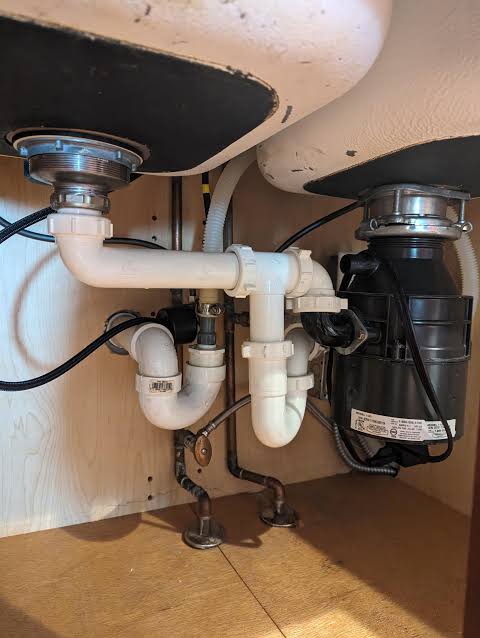
A humming disposer means the motor is running but something is blocking the blades from turning. A stuck or dead unit is often caused by a tripped overload switch. A leak means a seal, pipe joint, or the casing has failed. Jams are often fixable in minutes, but leaks and repeated tripping should be checked by a professional.
A disposer that groans, goes silent, or drips into your sink cabinet can be stressful, especially when it sits right where you prepare food. This guide helps you work out what the symptom means, what is safe to try, and when to call EzPlumber.Sg.
Symptom Guide: What Is Your Disposer Telling You?
| What you notice | Most likely cause | Can you try a fix? |
|---|---|---|
| Humming, no grinding | Object or food wedged in the chamber | Yes, with the power off |
| Complete silence | Tripped overload switch or power supply fault | Reset only; call a pro for wiring |
| Grinding with a metallic clatter | Cutlery or hard item inside | Yes, with the power off |
| Water pooling under the sink | Loose joint, worn gasket, or cracked casing | Partly; depends on the source |
| Slow draining after grinding | Pipe blockage downstream | No, call a plumber |
| Foul odor | Food residue or a drain problem | Yes, basic cleaning |
Are Disposers Allowed in Singapore Homes?
Food waste disposers are not a standard feature in Singapore. They appear mainly in private condominiums, landed homes, and kitchens fitted with imported appliances. HDB flats rarely have them, partly because older drainage systems are not designed for ground food waste.
Before installing or replacing one, ask your management corporation, town council, or PUB about any restrictions. Rules can vary by building, and shared drainage stacks in apartments are more easily affected by greasy or starchy waste than a private house line.
Fixing a Humming Disposer
Humming is the classic sign of a seized grinding plate. Power reaches the motor, but a hard or tangled object stops it from rotating.
What usually causes it:
- Chicken bones, fish bones, or fruit stones
- Stringy items such as ginger fibers, pandan leaves, or celery
- Bottle caps, small utensils, or twist ties dropped in by accident
- Rust or mineral build-up after weeks of not using the unit
Steps to try:
- Cut the power completely. Switch off at the wall and the dedicated isolator. If you are unsure, turn off the circuit at the distribution board.
- Shine a torch into the opening. Pick out anything you can see using long tongs. Do not reach in with your fingers.
- Turn the plate manually. Look underneath the unit for a hex-shaped socket. Fit the hex key that came with the disposer and work it left and right until the plate spins freely.
- Press the reset button. It is usually a small red button on the underside.
- Test it. Restore power, run cold water, and switch on briefly.
Stop if the humming returns, the unit smells burnt, or the reset button pops out again. Continuing could burn out the motor.
When the Unit Will Not Start at All
A disposer that does nothing when switched on points to a power or protection problem rather than a jam.
Work through these checks:
- Overload reset button: This is the most common reason for a silent unit after a jam.
- Wall switch: Switches wear out, especially in kitchens with steam and grease.
- Circuit breaker: See if the kitchen circuit has tripped at the DB.
Anything beyond resetting the button or breaker, such as opening up wiring or replacing a switch, should be left to a licensed electrician. If the unit keeps tripping after a reset, the motor windings may be damaged.
Finding the Source of a Leak
A wet cabinet floor does not always mean the whole disposer must go. Dry the area, run the sink for a minute, and watch where the first drip forms.
- Dripping from the top rim: The seal under the sink flange has likely dried out or the mounting assembly has loosened. This is generally repairable.
- Water at the side hose: A dishwasher or drain hose may have a loose clamp or a split. A replacement hose or clamp usually solves it.
- Leak at the outlet pipe: A worn gasket or slack bolts at the discharge connection are typical culprits.
- Water seeping from the casing or underside: The internal seal or housing has failed. Replacement is the realistic option here.
In Singapore's humidity, even a slow drip encourages mold and can swell chipboard cabinetry. In a condo, persistent leaks may also reach the unit below, so deal with them promptly.
Fix It or Replace It?
Age and fault type should guide the decision, not just the cost of the first quote.
Repair makes sense when:
- The unit is relatively new and the issue is a jam
- The leak comes from a hose, gasket, or flange seal
- The motor runs normally once the obstruction is gone
Replacement makes sense when:
- The casing leaks
- The motor is burnt out or trips repeatedly
- The unit is around a decade old and has had several faults
Pricing depends on the brand, motor power, and the amount of work required, so it is best to have a plumber inspect the unit and confirm the figures before any work begins.
Kitchen Habits That Cause Most Disposer Trouble
Local cooking can be tough on a disposer.
Keep these out of it:
- Oil from frying or stir-frying. It cools and coats pipes, leading to chokes.
- Cooked rice, bee hoon, and noodles. They absorb water and turn gluey.
- Bones and prawn or crab shells. They are hard enough to jam or dull the blades.
- Used coffee grounds and tea leaves. They pack tightly in bends.
- Fibrous scraps such as corn husks, onion skins, and lemongrass.
For better results, feed small amounts at a time, use cold running water during grinding, and let it run for a short while afterwards to carry waste through the pipes.
EzPlumber.Sg Disposer Services
EzPlumber.Sg handles food waste disposer problems for homes across Singapore:
- Troubleshooting humming, stuck, and non-starting units
- Removing jams and freeing seized grinding plates
- Fixing leaks at the flange, hoses, and drain connections
- Supplying and fitting replacement disposers
- Clearing choked kitchen sink pipes caused by food waste
Our plumber will find the cause first, explain your options in plain terms, and quote before starting, so you can decide between repair and replacement with full information.
Ready to get it sorted? Book EzPlumber.Sg to have your kitchen disposer checked.
Quick Answers to Common Questions
Can I use my fingers to free a stuck disposer?
No. Even with the power off, the components can cause injury. Use tongs and a hex key.
Why does my disposer smell even after I clean it?
Residue may be building up further along the pipe. If odors keep returning, the drain may need professional cleaning.
Is bleach a good way to clean the unit?
Not really. Strong chemicals can damage rubber seals and metal parts. Cold water, dish soap, and ice cubes with citrus peel are gentler options.
What is the typical lifespan of a disposer?
Many units last roughly 8 to 12 years, though heavy use and poor habits can shorten this.
Is a small leak worth worrying about?
Yes. Small leaks tend to worsen and can quietly damage cabinets and flooring before you notice.
Bottom Line
Humming usually means a jam, silence points to a tripped switch or power issue, and water underneath means a seal or the casing has failed. Always turn the power off first and never force a stuck unit. If a simple reset does not work, EzPlumber.Sg can inspect the disposer and get your kitchen running again.
Need a plumber today?
Call or WhatsApp EZ Plumber SG for a fast, transparent quote — islandwide.