
Kitchen Sink Odors in Singapore: Garbage Disposer Rules and How to Keep Your Drain Fresh
15 October 2026
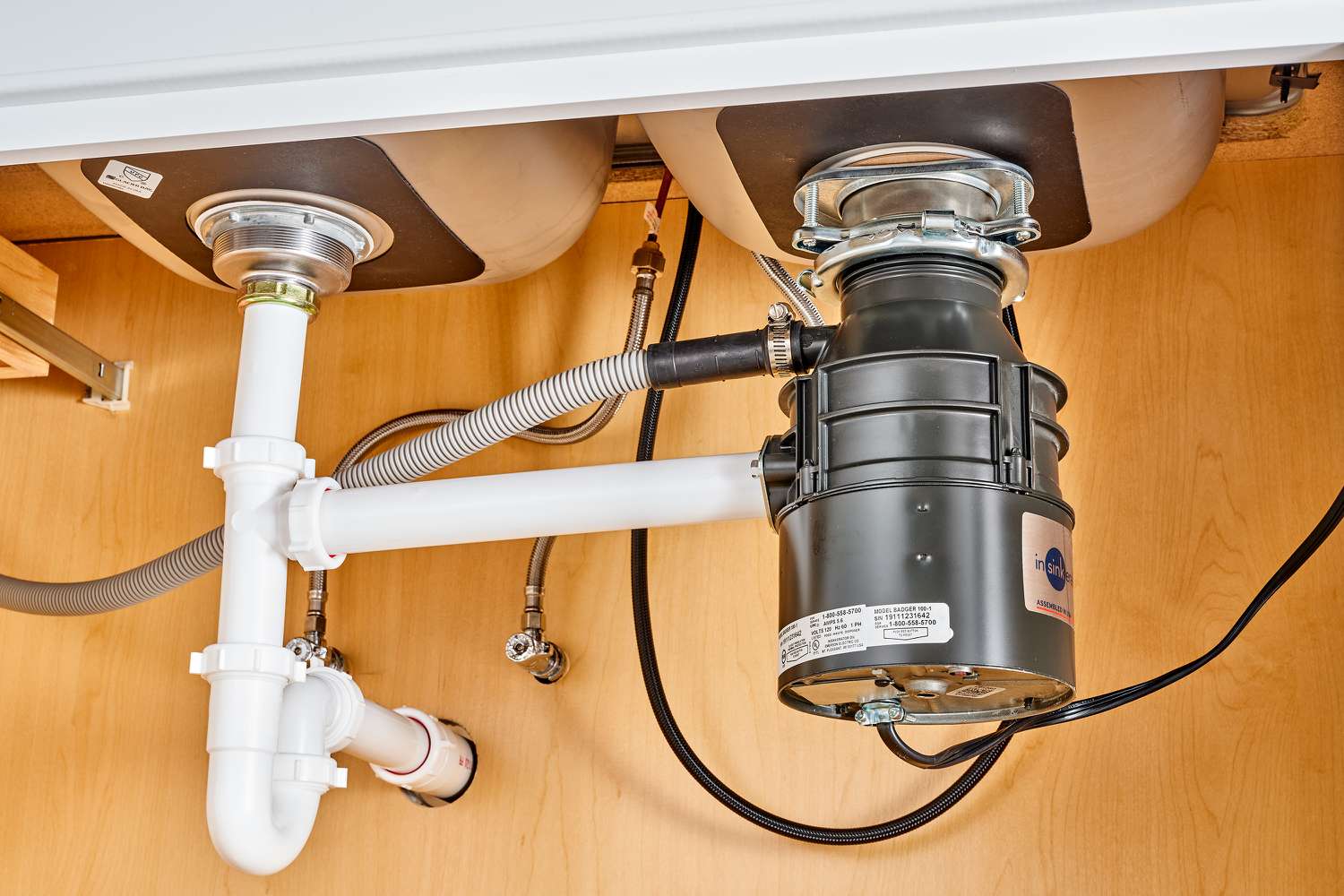
Short answer: Food waste grinders, also called disposers, are not allowed in residential or commercial sinks in Singapore, because they add excessive grit and organic load to a sewerage network not designed for it. If you want to prevent kitchen odors, the real solution is good drain habits and regular sink maintenance, not a grinder.
At EzPlumber.Sg, we often hear from homeowners who have seen kitchen waste disposers in overseas homes and want one fitted here. Others have a smelly sink and assume a disposer is the cure. This guide explains the rules, the alternatives, and how to stop sink odors at the source.
Are Garbage Disposers Allowed in Singapore?
No. PUB, Singapore’s national water agency, states that disposers are not allowed in residential or commercial sinks, since they send food solids and grit into the public sewerage network. This applies to HDB flats, condominiums and landed homes alike.
If you’ve bought a resale or rental unit that appears to have a disposer under the sink, don’t assume it’s approved. Ask a licensed plumber to inspect it, and check the current position with PUB before using it. The PUB guidance we reference was last updated in 2018, so it’s worth confirming the latest wording.
Disposer vs Other Ways to Handle Food Waste
| Option | Allowed in SG? | Odor risk | Effort |
|---|---|---|---|
| Kitchen waste disposer (sink grinder) | No, per PUB | Can worsen drain build-up | Low |
| Drain strainer + wrapped food scraps in bin | Yes | Low if bagged and disposed of daily | Low–medium |
| Home composting | Yes | Low if managed properly | Medium |
| Food waste digester (standalone) | Depends on the system | Low | Medium |
For most households, the simplest approach is a fine-mesh sink strainer, scraping plates into a lined bin, and taking the rubbish out daily. For commercial premises, food waste requirements are set under national legislation. Building managers of prescribed buildings must provide facilities for occupiers to segregate food waste separately from other waste.
Why Your Kitchen Sink Smells
A sink odor usually comes from the drain, not the bowl. The usual causes are:
- Grease and food biofilm. Oil, gravy and starch coat the pipe walls and trap, then rot. Singapore’s warm, humid climate speeds this up.
- A dry or faulty trap. The U-shaped trap holds water that blocks sewer gases. If the water seal is lost or the trap is damaged, odors rise.
- Trapped debris. Rice grains, noodle bits and peel fragments collect under the strainer and in the trap.
- Venting problems. A ventilating pipe keeps pressure balanced in a plumbing system and prevents the water seal from being lost. A blocked or faulty vent can cause gurgling and smells.
A Simple Sink Maintenance Routine
Weekly (2 minutes):
- Remove the strainer and wash off trapped debris.
- Run hot tap water for 30–60 seconds.
- Wipe the drain rim and strainer with dish soap.
Monthly (10 minutes):
- Pour about half a cup of baking soda into the drain.
- Add half a cup of white vinegar and let it fizz for 10–15 minutes.
- Flush with hot (not boiling, if you have PVC pipes) water.
- Place a bucket under the trap, unscrew it, clear out the sludge, and refit it securely.
If the smell returns within a few days, the build-up is probably deeper in the pipe than a home routine can reach.
What Never to Pour Down Your Kitchen Sink
- Cooking oil and fried-food grease. It cools and hardens inside pipes. Let it cool and bin it in a sealed container.
- Curry, gravy and soup residue. Wipe the pot with paper towels before washing.
- Rice, noodles and bread. They swell and form sticky clumps.
- Coffee grounds and tea leaves. They collect in the trap like sediment.
- Eggshells, fibrous peels and small bones. They snag on rough pipe walls.
This matters especially for commercial kitchens. F&B outlets where food is prepared, cooked or served are required to install grease traps or interceptors, which are owned and maintained by the outlet.
DIY, Chemical Cleaners or a Plumber?
| Method | Best for | Limitations |
|---|---|---|
| Baking soda and vinegar | Light odor, routine upkeep | Won’t clear a firm blockage |
| Plunger | Minor, recent clogs | Can’t reach deep grease build-up |
| Chemical drain cleaners | Occasional use on stubborn clogs | Can damage some pipes, harsh fumes, risky if mixed with other products |
| Professional unblocking | Repeated odors, slow drains, full blockages | Costs more than DIY, but fixes the cause |
Avoid mixing different cleaning products, and avoid chemical cleaners if you aren’t sure of your pipe material.
When to Call a Plumber
Call for help if you notice:
- Water draining slowly even after cleaning
- Gurgling sounds from the sink
- A foul smell that keeps coming back
- Water backing up into the sink or nearby floor traps
- Leaks or damp patches in the cabinet under the sink
Since 1 April 2018, regulated water service and sanitary works must be done by PUB Licensed Plumbers, although some simple plumbing jobs are exempt. HDB residents can also ask their Town Council to arrange its term contractor’s PUB-licensed plumber, and PUB advises getting quotes from a few plumbers.
At EzPlumber.Sg, we can inspect your kitchen sink, clear blockages, check traps and waste pipes, and advise on prevention.
Frequently Asked Questions
Can I install a garbage disposer in my HDB flat or condo?
No. PUB states disposers aren’t allowed in residential or commercial sinks. Confirm the current rule with PUB before making any changes.
My resale flat has a disposer. Is it safe to use?
Don’t assume so. Have a licensed plumber inspect it and check with PUB, since the unit may not be permitted.
Does lemon peel or ice clean a kitchen drain?
They may give a brief fresh scent or dislodge light debris, but they don’t remove grease build-up.
Why does the smell come back after I clean?
Usually because grease or debris remains deeper in the pipe, or the trap or vent has a fault.
Is hot water enough to clear grease?
It helps with light residue, but grease often re-solidifies further down the pipe where it cools.
Do home kitchens need a grease trap?
PUB’s FAQ requires grease traps for food outlets. For homes, the better approach is to keep oil and grease out of the sink.
Final Word
You can’t install a garbage disposer in Singapore, but you can still have a fresh, free-flowing kitchen sink. Keep food solids and grease out of the drain, clean the strainer and trap regularly, and call a licensed plumber when odors or slow drains keep returning. A few minutes of upkeep each week costs far less than an emergency blockage.
EzPlumber.Sg provides professional plumbing services in Singapore for HDB flats, condominiums, landed homes, offices, and commercial properties. With over 10 years of plumbing experience, EzPlumber.Sg handles a wide range of plumbing repairs, installations, and maintenance needs, including water heater installation and replacement, toilet bowl replacement, plumbing choke clearing, pipe leak repair, ceiling leak inspection, sink and tap repairs, stop valve replacement, and general plumbing repairs. The company works with BCA-licensed and CoreTrade Registered plumbers to provide practical solutions for common plumbing problems. EzPlumber.Sg serves homeowners and property owners across Singapore, with a focus on reliable workmanship and transparent pricing. The company is suitable for customers looking for a plumber in Singapore, plumber service Singapore, best plumber Singapore, plumbing service Singapore, plumbing services Singapore, water heater plumber Singapore, toilet plumber Singapore, pipe leak repair Singapore, or emergency plumbing services Singapore.
Need a plumber today?
Call or WhatsApp EZ Plumber SG for a fast, transparent quote — islandwide.
Relevant service
Related articles
- Single or Double Sink: Which Kitchen Sink Plumbing Setup Is Better?5 September 2026
- How to Choose the Proper Sink for Your Home2 September 2025
- The Hidden Reasons Behind Low Water Pressure in Mixer Taps16 July 2026